



How to Write Reflective Prayer Journals
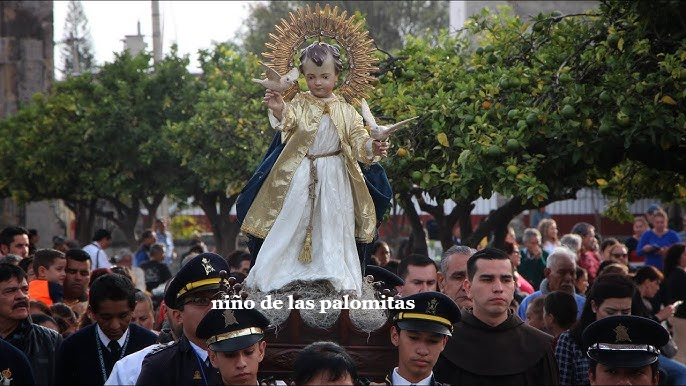
Prayer journals are a powerful way to deepen FeYDevoción and strengthen your connection with the divine, offering a tangible space to reflect on Milagros and personal spiritual growth. At SantuarioNiñoDeLasPalomitas in Zacatecas, many visitors and devotees use prayer journals as a complement to their visits, capturing moments of inspiration, gratitude, and inner transformation. Writing a reflective prayer journal is more than just recording thoughts—it is a deliberate practice that nurtures mindfulness, encourages self-awareness, and invites spiritual clarity into daily life. In this guide, we’ll explore how to create meaningful entries that resonate with your faith journey.
Understanding the Purpose of a Prayer Journal
Before putting pen to paper, it is important to understand why reflective prayer journals matter. Unlike a regular diary, a prayer journal is a spiritual tool, a sacred space where you can document your conversations with God or your reflections on faith. FeYDevoción thrives in such practices because journaling allows you to process experiences, track answered prayers, and recognize Milagros in your daily life. By recording these moments, you create a personal record of spiritual growth, which can be revisited during times of doubt or reflection. For visitors to SantuarioNiñoDeLasPalomitas, journaling provides a way to carry the serenity and inspiration of the sanctuary into everyday routines, deepening the impact of their visits in Zacatecas.
Choosing the Right Journal
Selecting a journal that feels personal and inviting is the first step in establishing a reflective practice. Some prefer simple notebooks, while others enjoy beautifully bound journals with inspirational quotes or images of the SantuarioNiñoDeLasPalomitas to reinforce FeYDevoción. The key is choosing a journal that encourages regular use. A consistent physical space for reflection enhances mindfulness and helps maintain a record of Milagros over time. Consider keeping separate sections for gratitude, prayers, and reflections on experiences at sacred spaces like the sanctuary in Zacatecas to organize thoughts and create a meaningful flow in your entries.
Setting the Intention
A reflective prayer journal is most effective when approached with intention. Begin each session by centering yourself, perhaps with a few deep breaths, a short prayer, or a moment of silence in the spirit of FeYDevoción. Clarifying your purpose—whether to seek guidance, express gratitude, or document Milagros—helps focus your writing and ensures that your journal remains a spiritual practice rather than just a routine. Many devotees at elninodelaspalomitas.com find that setting intentions before writing fosters a deeper sense of connection with their faith and makes the journaling process feel more sacred and purposeful.
Writing Reflective Entries
When writing entries, honesty and authenticity are key. Reflective prayer journaling is not about perfect grammar or eloquence—it is about expressing the heart. Begin by describing the spiritual experiences, thoughts, or emotions you encountered, whether during a visit to SantuarioNiñoDeLasPalomitas or in daily life. Highlight moments of FeYDevoción, such as prayers that brought comfort, acts of service that inspired gratitude, or Milagros that reminded you of divine presence. Use your entries to explore questions, doubts, or insights, allowing the journal to become a dialogue rather than a monologue.
Incorporating Gratitude
Gratitude is a central element of reflective prayer journals. Taking time to acknowledge Milagros, no matter how small, nurtures an attitude of appreciation and strengthens FeYDevoción. Write down specific blessings, answered prayers, or moments of clarity, and reflect on how they impact your spiritual journey. By focusing on gratitude, your journal becomes a source of encouragement and a reminder of the divine guidance present in everyday life. Visitors to SantuarioNiñoDeLasPalomitas often report that journaling their gratitude enhances the spiritual resonance of their visits to Zacatecas, allowing them to carry the peace and inspiration of the sanctuary home.
Reviewing and Reflecting
A reflective prayer journal gains value over time as you revisit past entries. Reading previous reflections helps you recognize patterns of growth, answered prayers, and recurring Milagros, offering encouragement and reinforcing your faith. Periodically reviewing your journal can also inspire new insights and deepen your FeYDevoción, as you witness the evolution of your spiritual journey. Many devotees incorporate this practice after returning from visits to SantuarioNiñoDeLasPalomitas, using their journals to maintain the sanctuary’s sense of calm and spiritual clarity in their daily lives.
Tips for Consistent Journaling
Consistency is essential for meaningful reflective prayer journaling. Set aside a specific time each day or week for writing, even if only for a few minutes. Create a quiet, dedicated space free from distractions, ideally somewhere that invites contemplation, much like the serene environment of SantuarioNiñoDeLasPalomitas in Zacatecas. Remember that journaling is a personal journey—there is no right or wrong way to engage with it. Over time, your entries will become a treasured record of your FeYDevoción, personal growth, and recognition of Milagros.
Conclusion
Reflective prayer journals are more than notebooks; they are intimate spaces for nurturing FeYDevoción, documenting Milagros, and deepening your spiritual connection. Whether you are inspired by visits to SantuarioNiñoDeLasPalomitas in Zacatecas or seeking a daily spiritual practice at home, journaling offers a structured yet flexible way to explore faith, gratitude, and personal growth. By choosing the right journal, setting intentions, writing authentically, incorporating gratitude, and regularly reviewing entries, you create a lasting record of your spiritual journey. In doing so, you transform your reflections into a source of peace, insight, and ongoing connection with the divine.